Through laser processing expertise accumulated since our founding,
we help customers maximize cost efficiency and productivity.
Laser Cutting System
Laser cutting focuses a laser beam on the material surface to melt or vaporize it instantly, then removes the molten material with a gas jet. Compared with conventional cutting methods, it delivers high efficiency and excellent quality. Because it is a non-contact process, there is no tool wear, thermal distortion and metallurgical changes are minimized, and clean, nearly vertical cut edges can be achieved. Low surface roughness also reduces the need for secondary finishing.
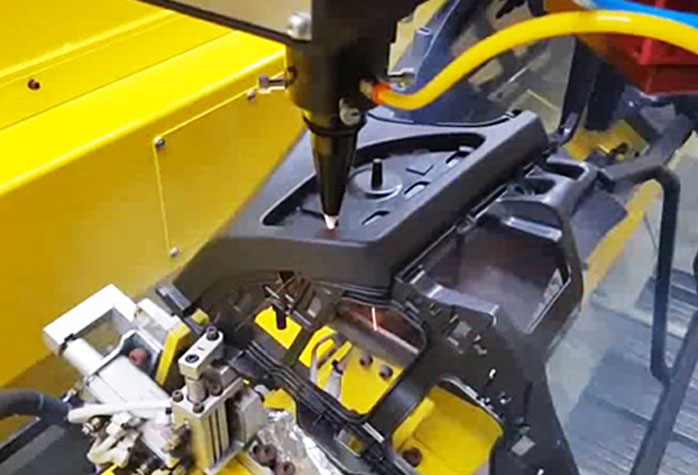
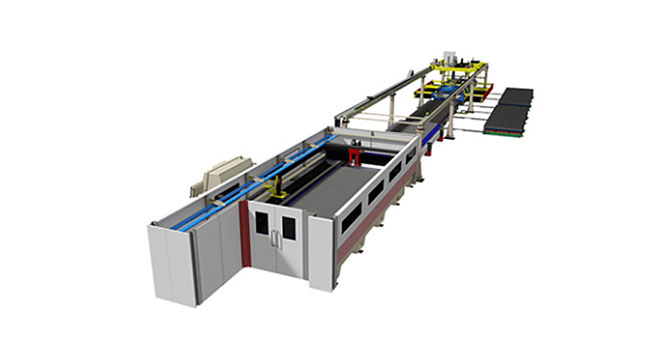
2D Laser Processing Machine
- Good price / performance ratio
- No change lens module
- High precision focus control
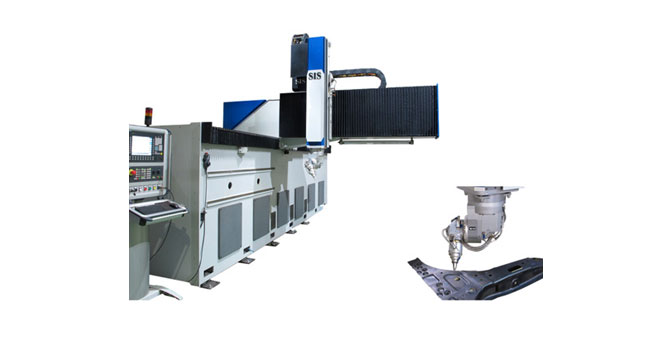
3D Laser Processing Machine
- Good price / performance ratio
- No change lens module
- High precision focus control
Laser Welding System
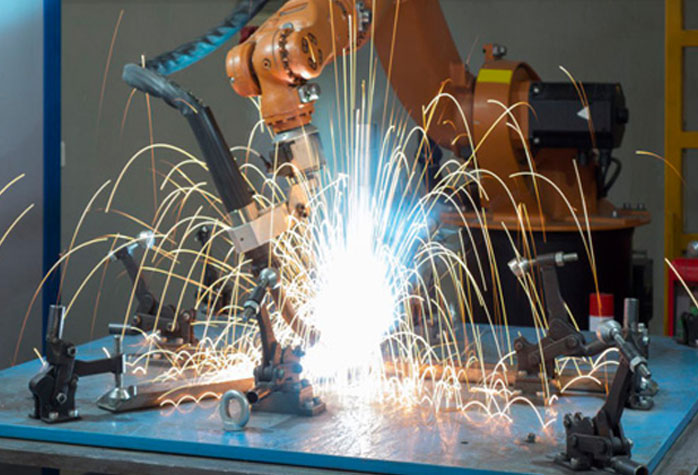
Laser Welding System
Laser welding joins materials using a high-power laser beam. As laser technology has advanced, it has become widely used in welding applications including TWB, remote welding, hybrid welding, brazing, and other processes
Its narrow heat-affected zone delivers excellent weld quality while ensuring high repeatability and productivity. With proper process control and ventilation, it also supports a cleaner working environment.
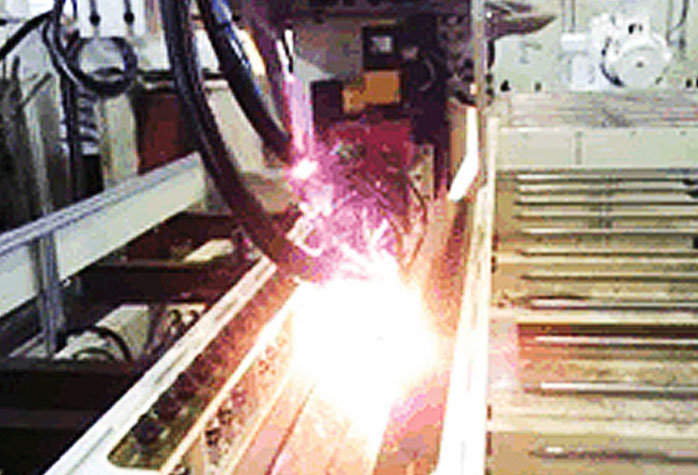
TWB Laser Welding System
TWB is an advanced automotive steel-sheet manufacturing process in which sheets of different thicknesses, strengths, or materials are cut to the required sizes and shapes and then laser-welded into a single blank, much like tailoring fabric for a suit. Compared with conventional spot welding, it offers benefits such as lower vehicle-body weight, fewer parts, improved material utilization, and enhanced safety.
K-ROAD ROBOTICS has developed and supplies systems that require lower initial investment than leading overseas TWB solutions while supporting multiple vehicle models, including both linear and nonlinear sheet geometries.
Remote Welding System
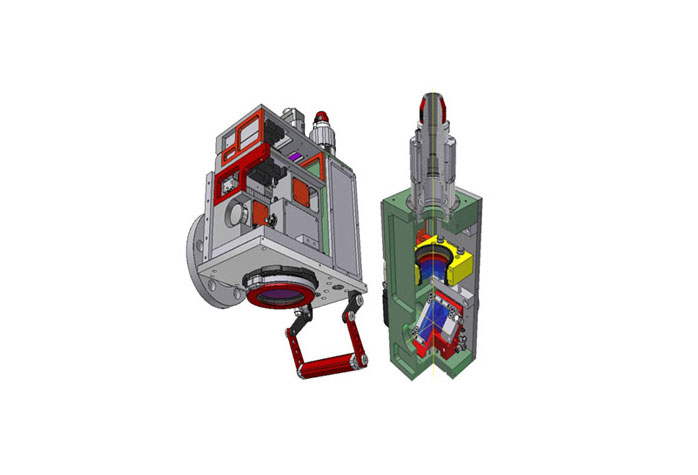
A Remote Welding System focuses a laser beam for welding from a long stand-off distance. Welding points can be positioned freely in both 2D planes and 3D space.
The term 'remote' refers to the long distance between the focusing lens and the weld point. The technology advances conventional spot-welding concepts by enabling rapid welding at multiple locations on sheet metal.
\
Reduced cycle time, a smaller production-line footprint, and flexible weld paths are key advantages. Above all, the significant reduction in unnecessary robot travel time delivers major productivity gains.
(magnification @focal length)